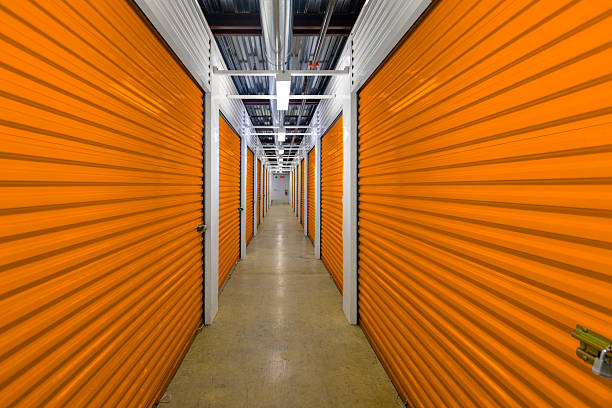
Paying more for storage only makes sense when the added protection matches what is being stored. Extra monthly cost can be reasonable for belongings that react poorly to heat, humidity, or repeated seasonal changes. Looking at replacement value, storage length, and material sensitivity helps renters decide whether climate controlled storage is worth the difference.
Start With the Value of What Could Be Damaged
Begin by listing items that would be expensive, difficult, or impossible to replace. Electronics, wood furniture, photographs, artwork, leather, records, instruments, and certain collectibles can all lose value when conditions change too much. Add the estimated replacement or repair cost for the most sensitive belongings, then compare that figure with the extra monthly price of a controlled unit. That comparison makes the decision more practical than judging the rental rate alone.
Sentimental value should enter the calculation too. Family photographs, inherited furniture, handwritten records, and personal collections may have little resale value but still be irreplaceable. Protecting those items can justify a higher storage cost even when replacing them would not appear expensive on paper.
Storage Length Changes the Math
Short-term storage may expose belongings to only part of one season, while a year-long rental can carry them through summer heat, winter cold, and repeated humidity changes. Longer stays increase the time that wood, paper, adhesives, fabrics, and electronics spend reacting to their surroundings. Renters comparing storage units near me should multiply the monthly price difference by the full expected storage period instead of focusing on one month.
Seasonal timing can change the answer as well. Someone storing household goods for six weeks in mild weather faces a different risk than a renter leaving the same property through a hot, humid summer and a cold winter. Shorter stays may make a standard unit more practical, while longer timelines can make environmental stability more valuable.
Climate Sensitivity Matters More Than Item Size
Large furniture does not automatically need controlled conditions, and small belongings are not automatically safe in standard storage. Material composition matters more than physical size. Wooden tables, leather chairs, cameras, documents, vinyl records, and musical instruments can be more sensitive than larger plastic or metal items.
Durable property can often stay in regular storage without paying for extra environmental control. Patio furniture, sealed tools, plastic bins, and some outdoor equipment may tolerate normal seasonal changes better, depending on their materials and manufacturer guidance. Separating sensitive belongings from tougher items may allow a household to rent a smaller climate controlled space and place other property in standard self storage.
Local Weather Can Increase the Value of Climate Control
Hot summers, humid periods, and large seasonal temperature swings can raise the risk for certain stored materials. High humidity can soften cardboard, encourage musty odors, affect paper, and speed corrosion on some metal surfaces. Heat can stress electronics, adhesives, plastics, and finishes, while repeated warming and cooling may cause expansion and contraction in wood.
Regional conditions should therefore be part of the price comparison. Humidity-heavy climates can make climate control more useful for paper, textiles, furniture, and electronics, while milder conditions may reduce the benefit for some belongings. Checking how a facility manages temperature and humidity gives renters a clearer idea of what the higher rate actually buys.
Replacement Cost Is Only Part of the Equation
Repair costs deserve attention because damage does not always destroy an item completely. A warped table may need refinishing, electronics can require service, and artwork may need professional restoration. Those expenses can quickly exceed several months of added storage cost.
Business property creates another layer of value. Archived files, equipment, displays, samples, and electronics may affect operations if they become unusable. Companies using self storage units should consider the cost of downtime, replacement delays, and lost records alongside the monthly rental difference.
Packing Quality Can Reduce Risk but Not Remove It
Strong boxes, breathable furniture covers, archival materials, and proper shelving improve protection in any unit. Clean, dry belongings also enter storage with fewer problems than items packed while damp or dirty. Good preparation can reduce scratches, crushing, trapped moisture, and pressure damage.
Packaging still cannot control the surrounding air. Sealed plastic may trap moisture already present, and moving blankets cannot stop wood from reacting to long-term humidity changes. Climate controlled storage adds value when the environment itself is part of the risk rather than poor packing alone.
Compare the Added Monthly Cost With the Likely Benefit
Write down the price of a standard unit, the price of a controlled unit, and the expected number of rental months. Multiplying the monthly difference by the storage period shows the actual premium. Dividing that premium across several valuable items can make the added cost easier to evaluate.
Customers should also factor in convenience, unit size, access hours, and whether the facility offers the right amount of space. Storage Partner’s climate controlled storage can be worth the added cost for furniture, electronics, records, business materials, and other belongings that may react to heat or humidity changes. The steadier environment can help reduce the risk of warping, moisture-related damage, corrosion, and material deterioration during longer storage periods. For customers protecting valuable or difficult-to-replace property, paying more for climate control may cost far less than repairing or replacing damaged belongings later.